America's #1 home security resource 100% free advice
Our hands-on verdict on the smart smoke and carbon monoxide alarm we rank near the top
Who it's for: households that want early, reliable smoke and carbon monoxide warnings with spoken alerts and notifications on their phone when they're away.
This assessment is editorial and based on hands-on testing combined with research into manufacturer specs, independent certifications and owner feedback. Ratings, features and pricing can change — verify the current details on the retailer's page before you buy.
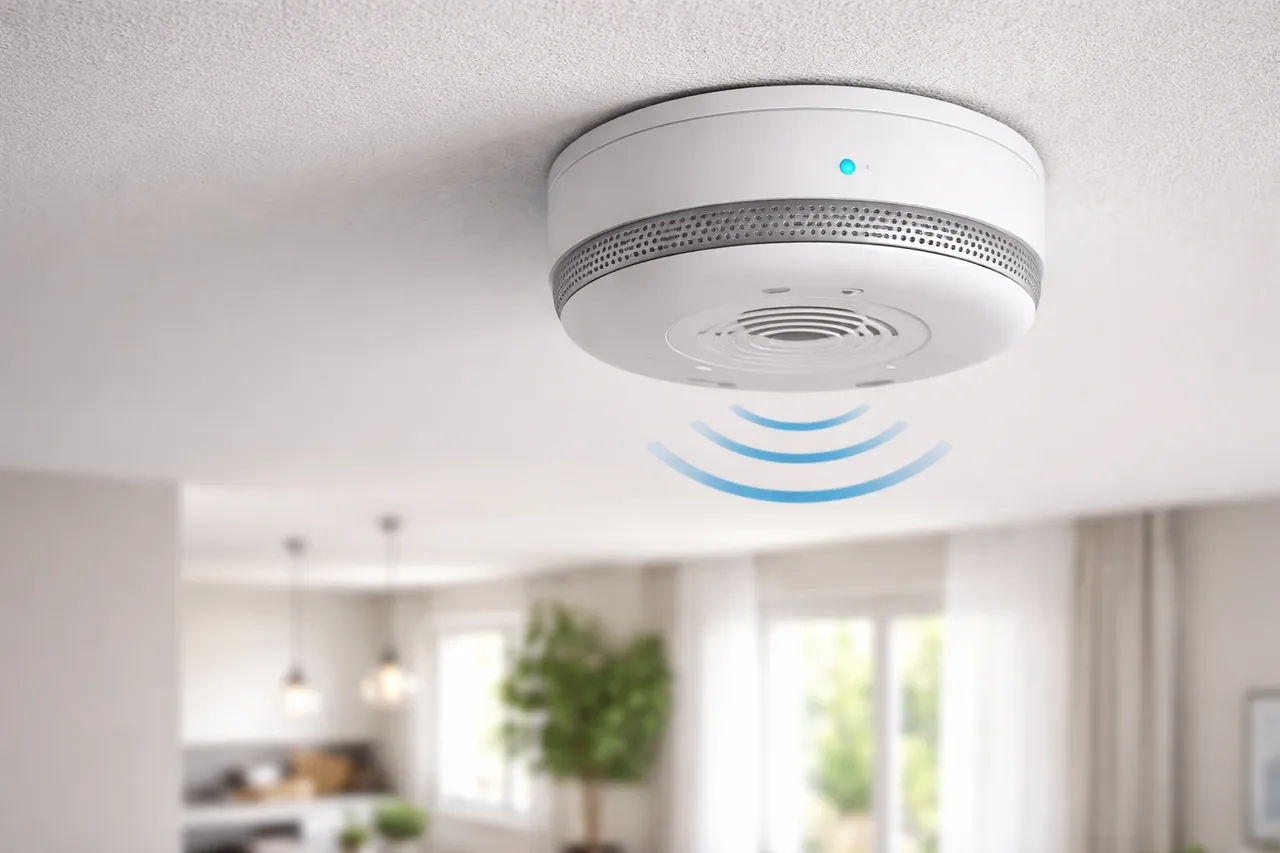
The Google Nest Protect is the smoke and CO alarm we recommend when reliable early warning matters more than saving a few dollars. The heart of it is a split-spectrum sensor that reads two light wavelengths, so it reacts to both a fast, flaming fire and a slow, smoldering one. Combined with UL 217 listing for smoke and UL 2034 listing for carbon monoxide in a single unit, that means one device on the ceiling is watching for both of the threats that actually kill people in their homes.
Where it earns its price is the way it communicates. Instead of a generic shriek, it speaks — telling you which room the problem is in and whether it's smoke or CO. When you're out, the Nest app pushes the same alert to your phone, which is the difference between coming home to a small incident and coming home to a disaster. The nightly Sound Check quietly confirms the speaker and horn still work, and the app-based hush lets you silence a cooking-related nuisance trip without flailing at the ceiling with a towel.
Be realistic about the trade-offs. At roughly $120 it costs several times what a basic UL 217 alarm does, and the smart features lean on Wi-Fi and the Nest app — connect it and it shines, skip the connection and you've paid a premium for a plain (if very good) alarm. Like every smoke/CO alarm it also has a finite 10-year service life and must be replaced after that, not nursed along. For most households the calculus is simple: if you want the earliest, clearest warning and remote alerts, it's worth it; if you just need code-compliant coverage on a budget, a simpler alarm will do.
| Type | Combined smoke + carbon monoxide alarm |
| Smoke sensor | Split-spectrum (two wavelengths) |
| Smoke listing | UL 217 listed |
| CO listing | UL 2034 listed |
| Alerts | Horn + spoken room-by-room voice + phone push |
| Connectivity | Wi-Fi (Nest app); works standalone without it |
| Power | Battery model or wired (with battery backup) |
| Service life | ~10 years, then replace |
| Indicative price | ~$120 per alarm |
A long-trusted name with affordable UL-listed smoke and combination smoke/CO alarms, including interconnect-capable models. The pick when you want dependable, code-compliant coverage without paying for smart features.
View on AmazonA value-focused smart alternative with Wi-Fi alerts and combination smoke/CO models at a lower price than the Nest Protect. A good middle ground if you want phone notifications without the top-tier cost.
View on AmazonWant the full picture? See how the Nest Protect compares head-to-head in our best smoke detectors comparison →
Yes. The Nest Protect is a dual smoke and carbon monoxide alarm. It uses a split-spectrum sensor to detect both fast, flaming fires and slow, smoldering ones, and it is UL 217 listed for smoke and UL 2034 listed for carbon monoxide. A single unit covers both threats in one spot, so you do not need a separate CO alarm in the same room.
A split-spectrum sensor uses two light wavelengths instead of one, which helps the alarm respond to a broader range of fire types — from a fast kitchen flare-up to a slow smolder from electrical wiring. In practice that means earlier, more reliable warnings and fewer of the nuisance trips that make people pull the batteries out of cheaper alarms.
The alarm itself works as a standalone smoke and CO detector without an internet connection. Wi-Fi unlocks the extras: phone alerts when you are away, the spoken room-by-room warning, the nightly Sound Check and the Safety History in the Nest app. If you never connect it, you still get a fully functional, UL-listed alarm — you just lose the smart features.
Both versions are rated for roughly 10 years, after which any smoke/CO alarm should be replaced per UL guidance. The battery model uses replaceable batteries; the wired model runs on household power with a battery backup. Either way, plan to retire the unit at the end of its 10-year service life rather than relying on it indefinitely.