
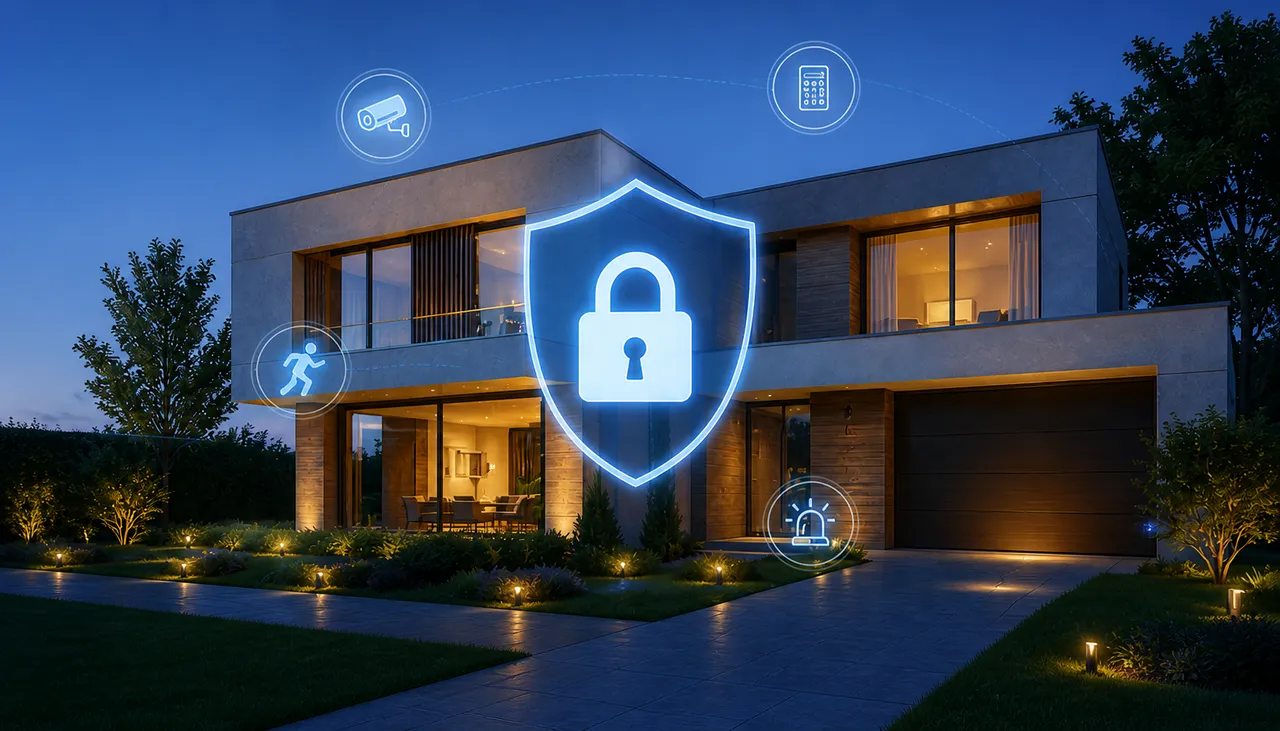
Understanding how a burglary works
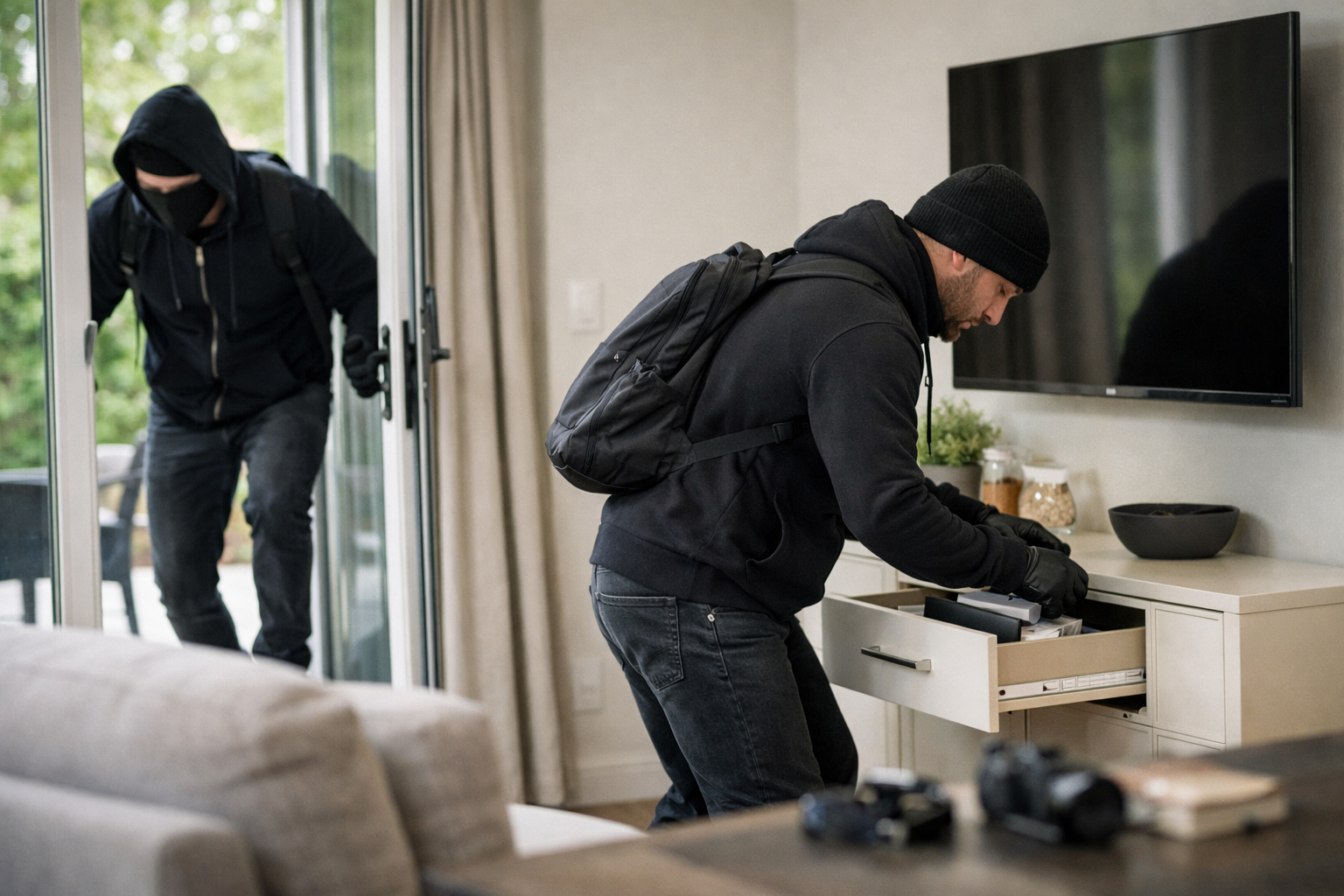
Burglary prevention starts with a simple idea: many attempts rely on opportunity. A poorly secured entry point, an obvious absence, an isolated backyard, an available tool, or a flimsy door can be enough to turn a home into an easy target. The goal isn’t to eliminate all risk, but to make your home less simple, less discreet, and slower to break into.
An intruder usually tries to limit three things: the time spent on site, the noise produced, and the chance of being seen. Every effective measure acts on at least one of these factors. A solid lock adds time. Motion-activated lighting adds visibility. An alarm adds noise and pressure. An alert neighbor adds the risk of being observed.
Time
The longer a break-in takes, the riskier the attempt becomes and the less attractive the target.
Noise
A siren, a door that’s hard to force, or a solid shutter makes the attempt far less discreet.
Visibility
Lighting, neighbors, and the absence of blind spots reduce a burglar’s ability to work undisturbed.
Securing visible and hidden entry points
The front door is only a starting point. You need to look at every opening that can be reached easily: ground-floor windows, sliding glass doors, the garage door, a side gate, a service door, the basement, a sunroom, a patio, a low balcony, or a window opening onto a flat roof. Serious prevention means ranking these entry points by how easy they are to approach and how hidden they are.
The basics are still powerful: lock the doors, secure the windows, don’t leave a key under a flowerpot, check sliding doors, put ladders away, and don’t leave tools outside. Then add mechanical reinforcements: a high-security cylinder, a Grade 1 deadbolt, keyed window locks, sturdy shutters, entry sensors, or auxiliary locks.
Showing signs that someone is home
A home that looks occupied is less appealing than one that’s obviously empty. Faking presence has to stay believable. A single lamp left on day and night isn’t convincing. It’s better to vary the rooms, use smart plugs and timers, have the mail picked up, and avoid leaving the blinds in the same position the whole time you’re away.
A human presence is still the best signal. A neighbor stopping by, someone opening the blinds, a car moved now and then, or a mailbox that gets emptied can be enough to break the impression of an empty home. In an apartment, neighbors and a building manager often play a central role. In a house, the view from the street and the side access points matter more.
Getting ready for vacation
Vacations call for a specific routine. Walk through the home several days before you leave, not just as you’re locking the door. Check the locks, replace a weak battery, test the alarm, update your emergency contacts, and decide who can respond if there’s an alert. A smartphone notification only matters if someone can act on it or go check.
Avoid publicly announcing your travel dates, even indirectly. Real-time posts, overly detailed out-of-office messages, or vacation photos visible to everyone can hand out information you’d rather keep private. Save the memories for when you’re back, or limit who can see them.
Useful equipment
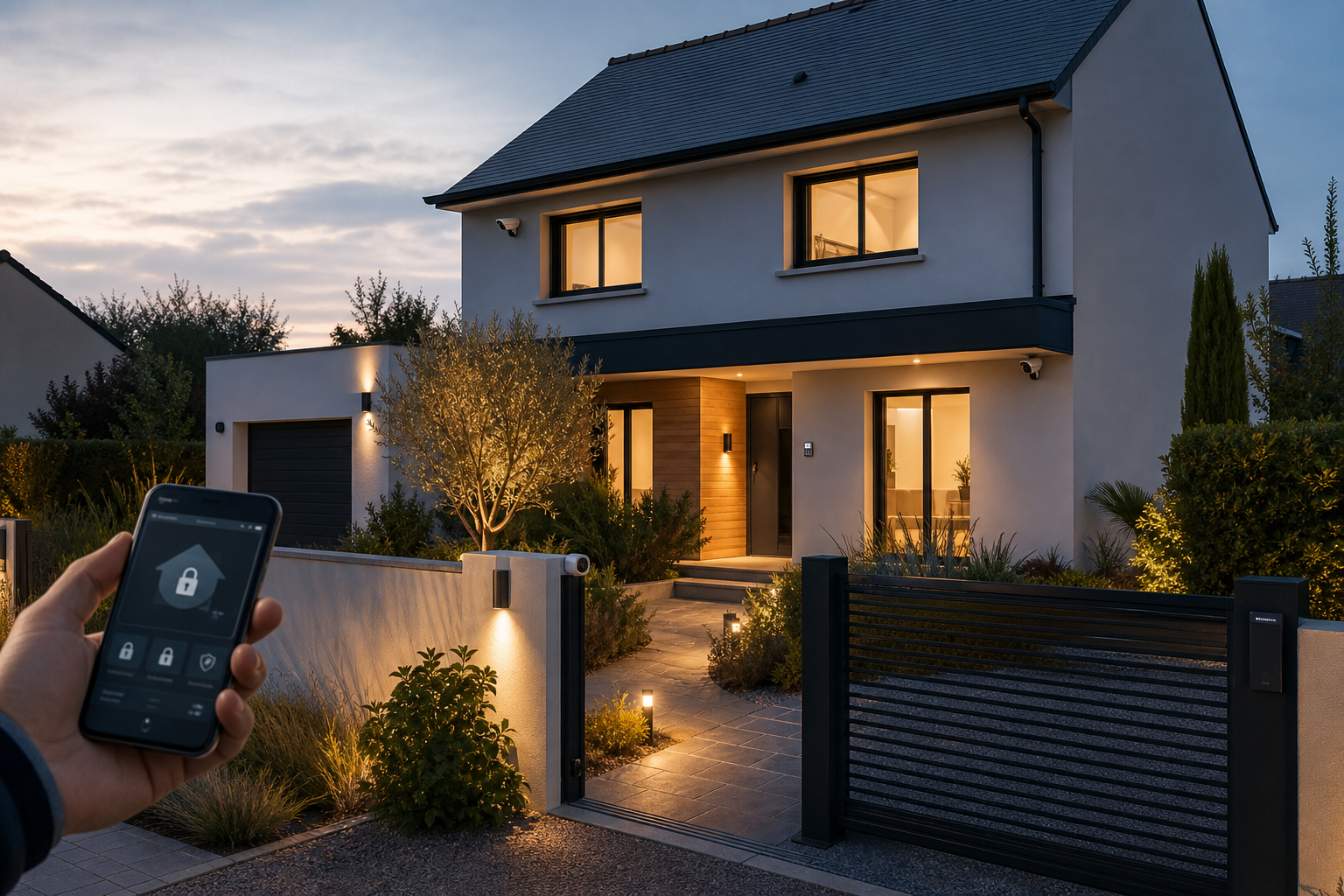
Equipment should address an identified weakness. A wireless alarm system makes sense if you have many entry points or want to be alerted quickly — including a standalone alarm with no Wi-Fi in areas with poor coverage. A security camera is useful for checking an alert, watching an entrance, or documenting an event. Motion-activated lighting can be enough to make a side approach far less discreet. A video doorbell lets you identify visitors and avoid opening the door carelessly.
The most effective approach is often to combine several simple elements: outdoor lighting, entry sensors, a visible siren, a reliable lock, and a camera on the main entrance. To tie it all together, see our guide to smart home security and automation. For an apartment, focus on the door, the accessible windows, and the entryway; for a house, add the back of the property, the garage, and any outbuildings.
Yard, garage, and visible valuables
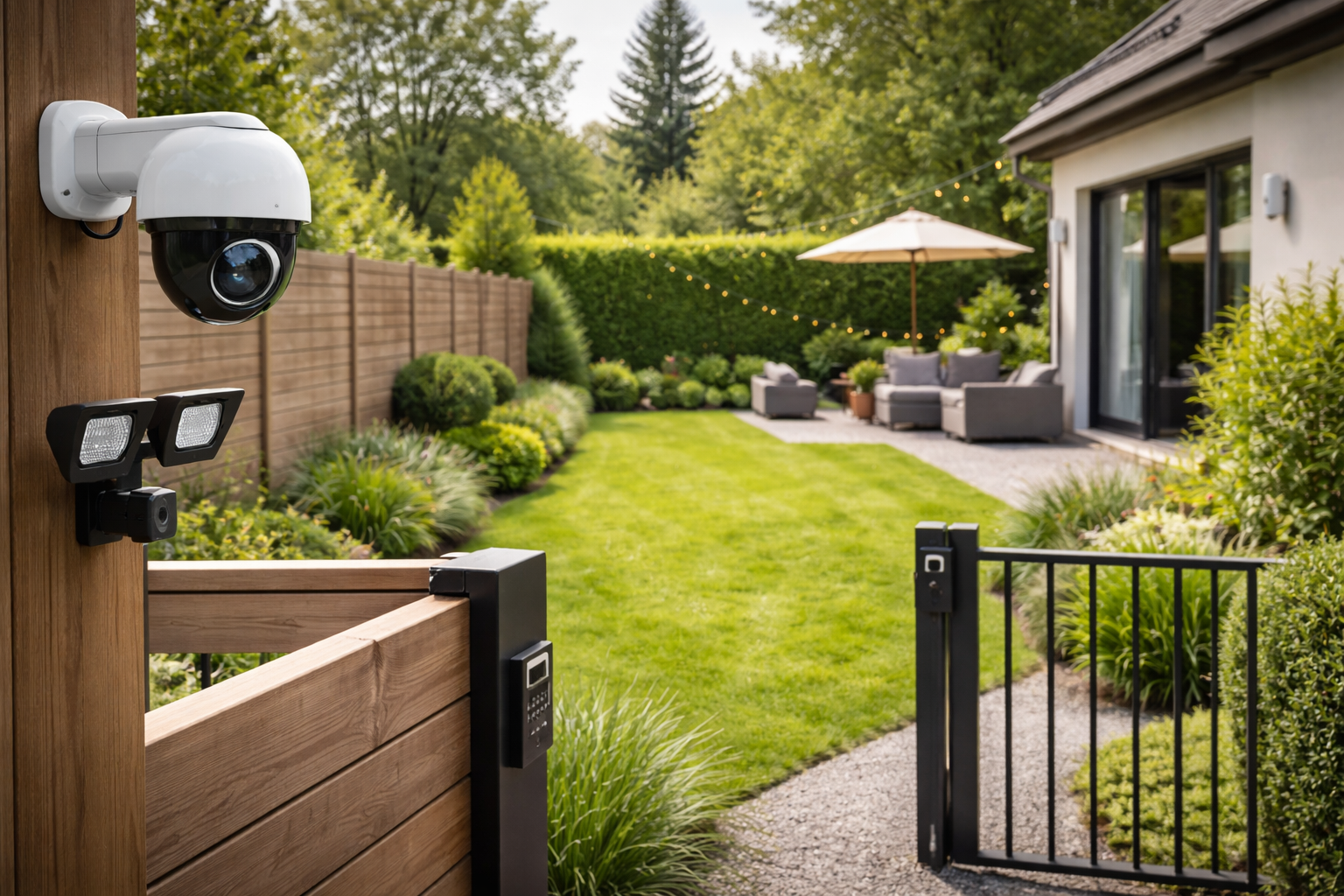
The exterior gives away a lot of clues. Packaging from expensive gear left out by the curb, a high-end bike in plain sight, an accessible ladder, or an overgrown hedge can make casing or breaking in easier. Trim the areas that create hiding spots near entry points, put tools away, and protect outbuildings. For fencing, lighting, gravel, and deterrent plantings, follow our guide to securing your yard and outdoor spaces.
The garage is often a weak link. It holds tools, sometimes a direct path into the house, and usually less surveillance than a main entrance. Lock the door between the garage and the home like a true exterior door, and don’t leave a garage remote visible in a car parked outside. The details are in our guide to securing a garage.
Social media and sensitive information
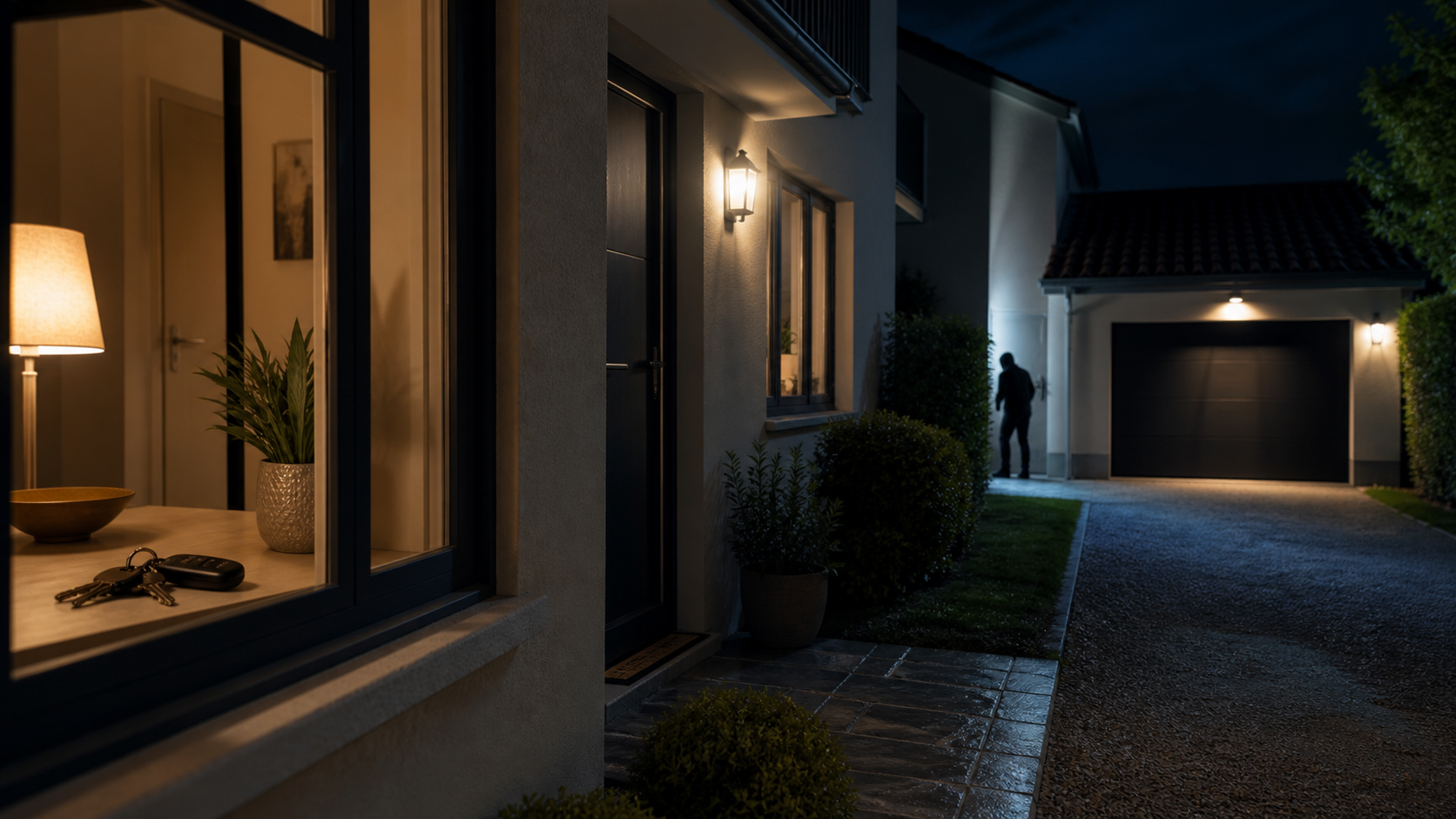
Modern prevention includes the information you share. A photo of your keys, a vacation announcement, an address visible on a package, a geotagged post, or a daily story from another country can reveal more than you intend. Without becoming paranoid, limit anything that lets someone figure out that you’re away, your address, your schedule, or the value of your belongings.
Think about what you throw out, too: receipts, boxes from recent purchases, shipping labels, and financial paperwork. Shredding or hiding this information avoids handing out unnecessary details about your household.
All of our prevention guides
This page lays out the overall method. To go further, here’s our full set of practical guides — starting with the cornerstone guide that brings together the 15 essential solutions.
The complete guide: how to secure your home
15 concrete solutions, from deterrence to alerting, so you can take action in the right order. The starting point for all prevention.
Read the complete guide

See also our other topic pages
Prevention works hand in hand with two other pillars of the site:
Physical security (doors, windows, garage) Apartment securityFrequently asked questions
The best prevention combines several simple measures: securely locked entry points, signs that someone is home, outdoor lighting, attentive neighbors, discretion on social media, and equipment matched to your home’s weak points.
An alarm is helpful, especially when it’s visible, properly configured, and paired with the right sensors. It doesn’t replace solid locks, but it raises the risk a burglar perceives and speeds up the response if someone tries to break in.
Before you leave, lock every entry point, create a believable sense of presence, have your mail picked up, avoid publicly announcing that you’re away, and ask a neighbor or trusted person to check in occasionally.
Yes. Many opportunistic burglaries exploit visible signs: piled-up mail, blinds closed around the clock, no lights on, an open gate, valuables in plain sight, or online posts that reveal you’re away.
