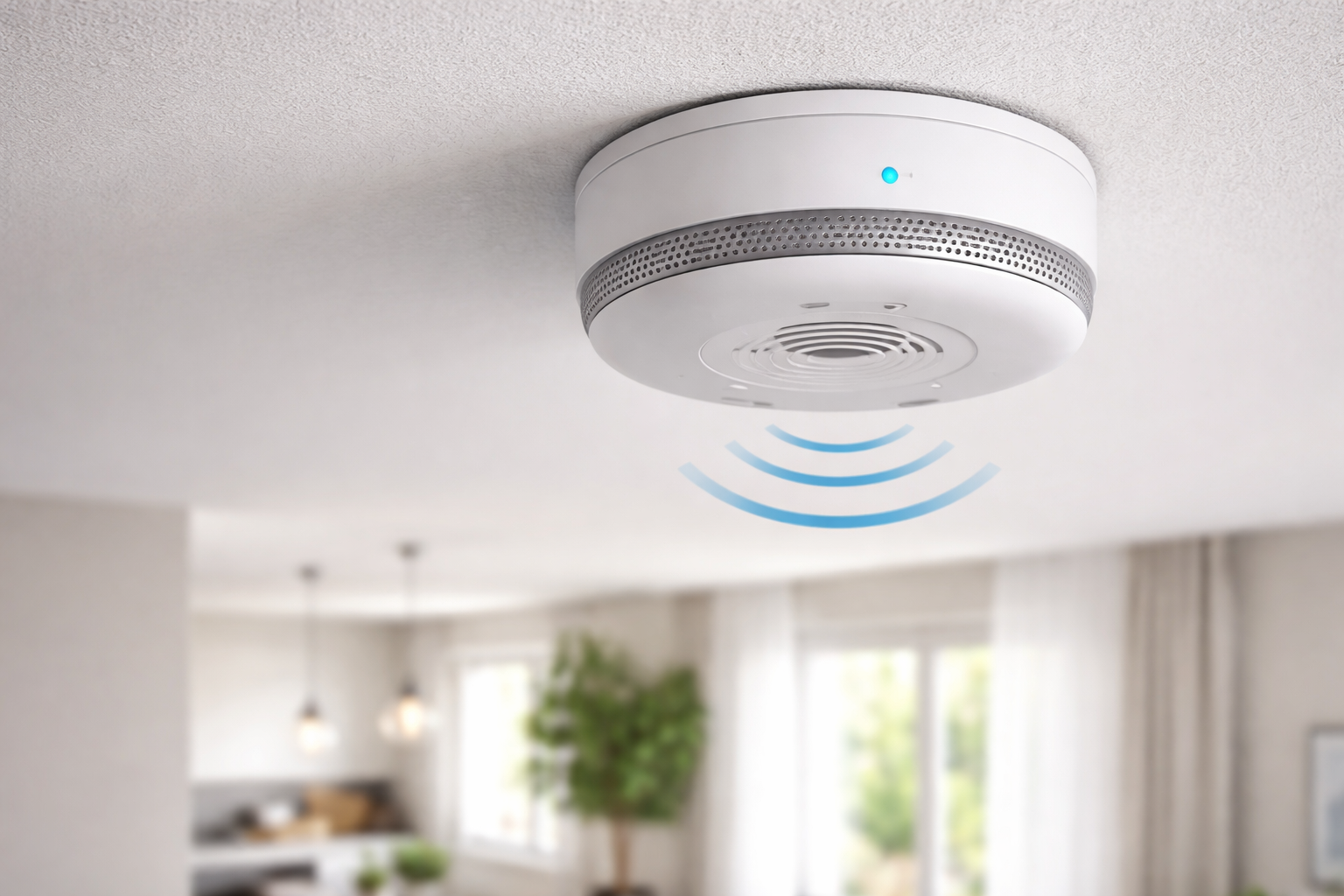

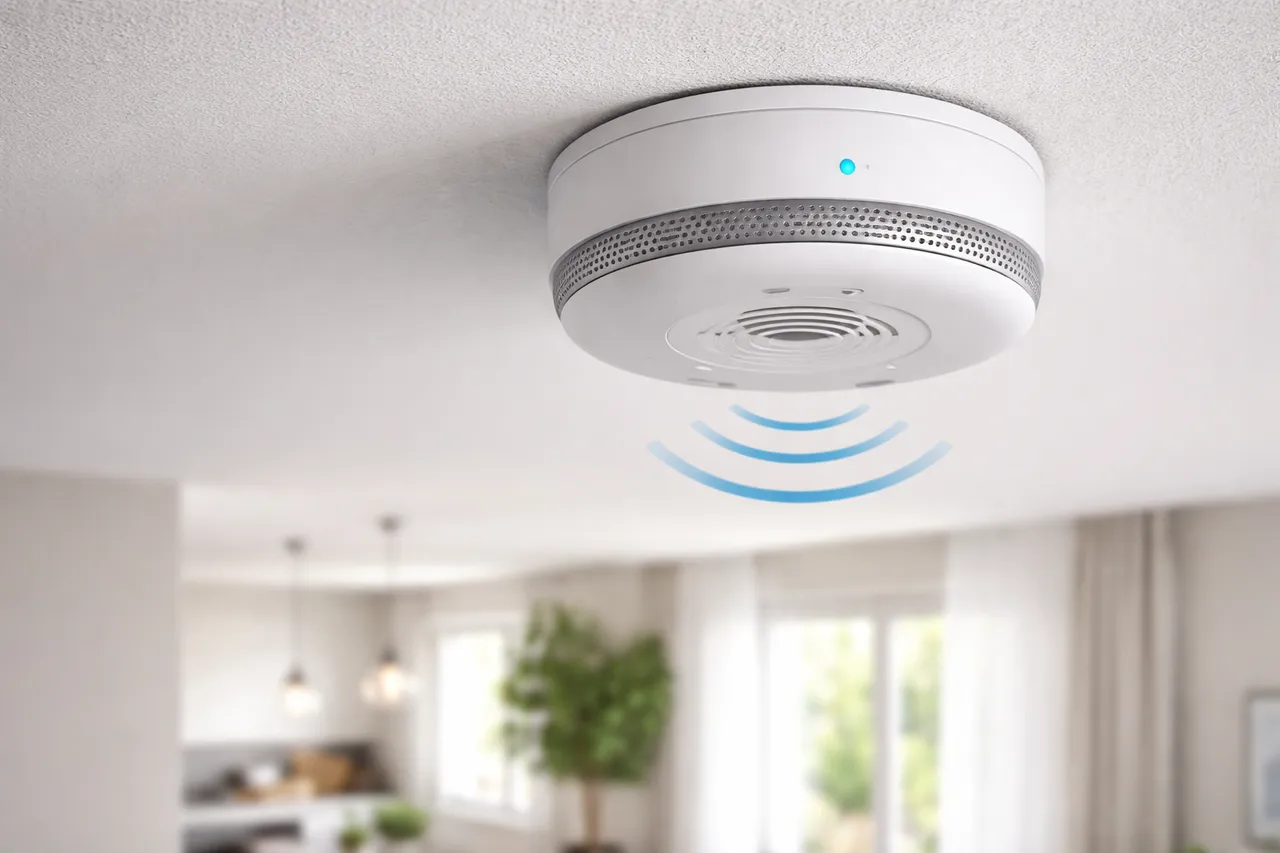
The smoke alarm is the cheapest and most vital piece of safety equipment in the home. Required by code, it saves lives — provided it's well chosen, well placed and maintained. The catch is the jargon: UL 217 vs. UL 2034, photoelectric vs. dual-sensor, sealed battery vs. replaceable, smoke vs. CO vs. combo.
In fifteen years, I've seen too many alarms installed in the kitchen (and therefore unplugged because of false alarms), or left without a battery. My message is simple: a silent alarm protects no one, and where you put it matters as much as which one you buy.
This hub is your starting point. Below you'll find a quick way to identify your profile, my top 3 by use case, the listings and battery types that matter, and where to place each alarm per NFPA 72 — then a link to the full comparison when you're ready to choose.
Which detector is right for you?
Before comparing models, identify your profile. Most households fall into one of these three.
Code-compliant & simple
A small home where you're present. A UL 217 listed standalone with a 10-year sealed battery covers the essentials.
Often away
You want a heads-up wherever you are. Pick a smart, interconnected alarm that pings your phone and can alert family.
Fuel-burning home
Furnace, gas stove or fireplace? Add carbon monoxide coverage (UL 2034) — or a combination smoke/CO unit.
Our top 3 detectors by profile
No time to compare every model? Here are the three picks that cover the vast majority of needs, rated by our editorial team.
Google Nest Protect
- ✅ Detects both smoke AND carbon monoxide
- ✅ Smartphone alerts, interconnection, voice
- ⚠️ The most expensive in our lineup
Kidde Firex
- ✅ Reliable, UL 217 listed
- ✅ Interconnectable, easy install
- ⚠️ Not smart (standalone)
X-Sense Smart Smoke Alarm
- ✅ Smartphone alerts, affordable smart option
- ✅ 10-year sealed battery, polished app
- ⚠️ No built-in CO detection on this model
UL 217 listing & sealed batteries
Two things make an alarm trustworthy: the right listing, and a power source you don't have to think about.
- UL 217 listed is the listing standard for residential smoke alarms — look for it on the label. For carbon monoxide alarms, the equivalent is UL 2034.
- Sealed 10-year battery models last their whole life with no battery swaps and are now required in many states. Replaceable-battery models cost less but need a fresh battery yearly.
- Photoelectric vs. dual-sensor: photoelectric detects smoldering fires and resists kitchen nuisance alarms; dual-sensor adds an ionization element for fast-flaming fires.
Smoke vs. CO vs. combination
They detect different dangers, so you often need both. Here's how to think about it.
Smoke alarm
Detects a fire (UL 217). The code baseline, required in bedrooms and on every level.
CO detector
Detects carbon monoxide — odorless, deadly, from any fuel-burning appliance (UL 2034). A smoke alarm can't see it.
Combination smoke/CO
One device for both hazards (e.g. Nest Protect). Fewer units to mount, ideal where you'd want both.
My rule of thumb: a smoke alarm everywhere code requires, plus a CO detector wherever you burn fuel — or a combination unit to cover both in one spot.
Where to place them (NFPA 72)
Placement makes the difference between an alarm that saves lives and one that gets unplugged.
Best spots
In every bedroom and outside each sleeping area (hallway, landing), on every level including the basement. On the ceiling, at least 12 inches from walls. Interconnect across levels.
Avoid
The kitchen and bathroom (cooking smoke and steam = false alarms), near air vents, and in dead corners of the ceiling.
The best smoke & CO detectors of 2026 at a glance
Here's a synthetic overview of our top picks. For full ratings, pros/cons, pricing and our testing notes on every model, head to the complete comparison.
| Detector | Rating | Best for |
|---|---|---|
| Google Nest Protect | ★★★★★ 4.8 | Complete protection (smoke + CO) |
| X-Sense Smart Smoke Alarm | ★★★★☆ 4.5 | Value smart pick |
| Kidde Firex | ★★★★☆ 4.5 | Budget, reliability |
| First Alert CO Detector | ★★★★☆ 4.4 | Furnace, stove, fireplace |

Frequently Asked Questions about smoke detectors
Yes. Under NFPA 72 and most state and local codes, smoke alarms are required in every bedroom, outside each sleeping area, and on every level of the home (including the basement). Look for UL 217 listed alarms, and note that many states now require 10-year sealed-battery models. In rentals, landlords typically must install working alarms and tenants must keep them maintained (testing, batteries).
At a minimum, per NFPA 72: one in every bedroom, one outside each sleeping area, and one on every level of the home. For a multi-story or larger house, add one in each nighttime hallway. Interconnected models all sound together, which is ideal across multiple levels.
Both, because they detect different dangers. The smoke alarm (UL 217 listed) detects a fire; the carbon monoxide detector (UL 2034 listed) detects a deadly, odorless gas produced by faulty combustion (furnace, stove, fireplace). CO detectors are required in many states and strongly recommended near any fuel-burning appliance. Combination units cover both.
A 10-year sealed-battery alarm needs zero battery maintenance for its whole life and is now required in many states — the simplest, most reliable choice. Replaceable-battery models cost less up front but need a fresh battery every year. Either way, test every alarm monthly and replace the unit after ~10 years.
It is if you're often away: it alerts your smartphone even when you're not home and can notify a family member. Interconnection (all alarms sound together) is a real plus across multiple levels. For a small home where you're usually present, a good UL 217 listed standalone is enough.
Ready to choose?
Compare all the tested models in detail, or read our in-depth review of the #1 pick.
Explore the smoke detectors section
Everything you need to choose, place and maintain the right alarms.